
Sample-Friendly Validation
Start with engineering samples to validate torque-speed duty, thermal rise, backlash, cable routing, and controller communication before larger batches.
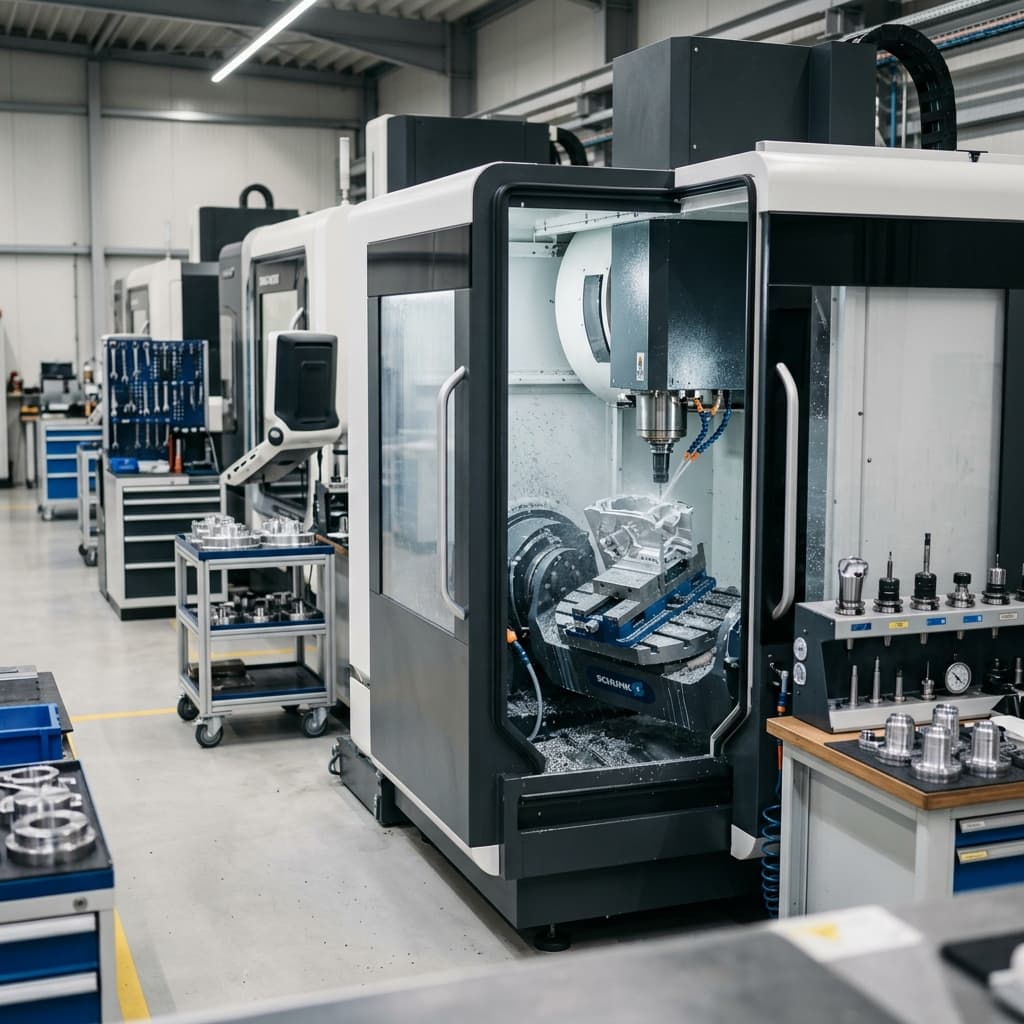
Compare torque, speed, gear ratio, encoder, driver interface, thermal limits, quality gates, and lead time before you send a drawing or sample RFQ.
Inquiry Email
Include target torque/speed, quantity, and delivery location.
Instant Chat
+86 188 5797 1991
Opens a direct WhatsApp thread with the RFQ message prefilled.
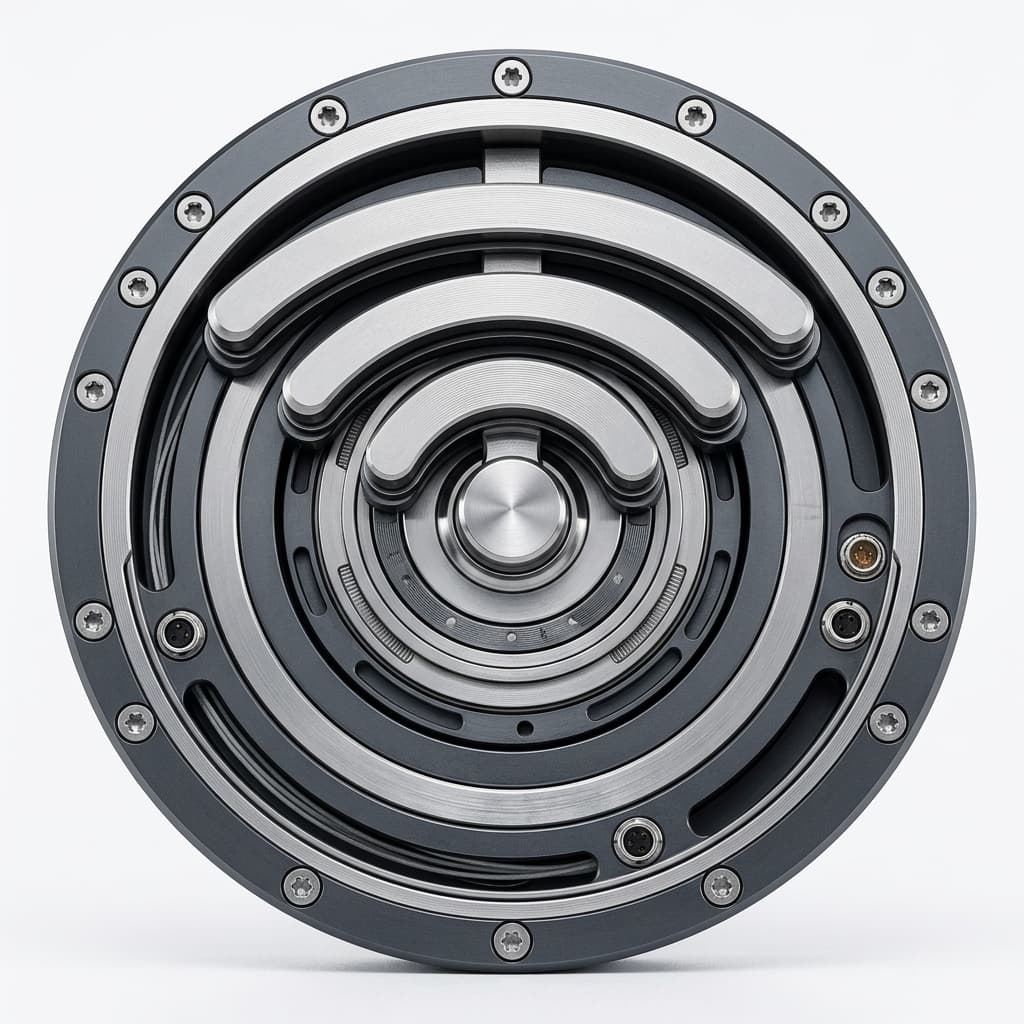
QDD actuators, hollow-shaft BLDC motors, low-ratio reducers, encoders, and driver interfaces are reviewed as one motion package.
Start with engineering samples, lock validation checkpoints, then move into pilot and repeat batches with controlled revisions.
Torque-speed, winding, encoder, backlash, insulation, and final inspection records are aligned before mass production release.
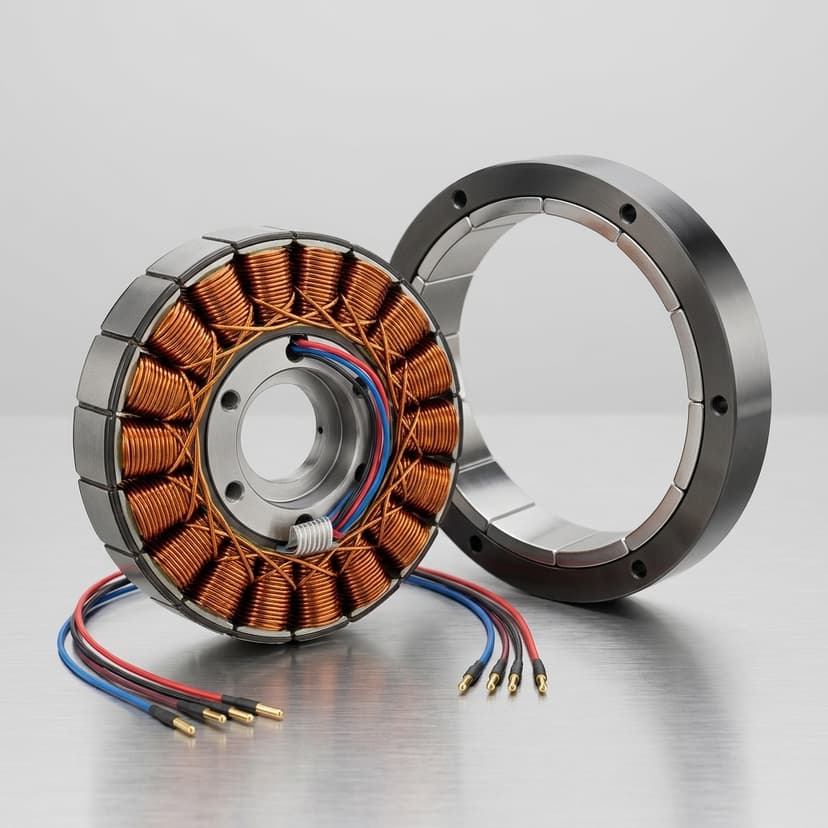
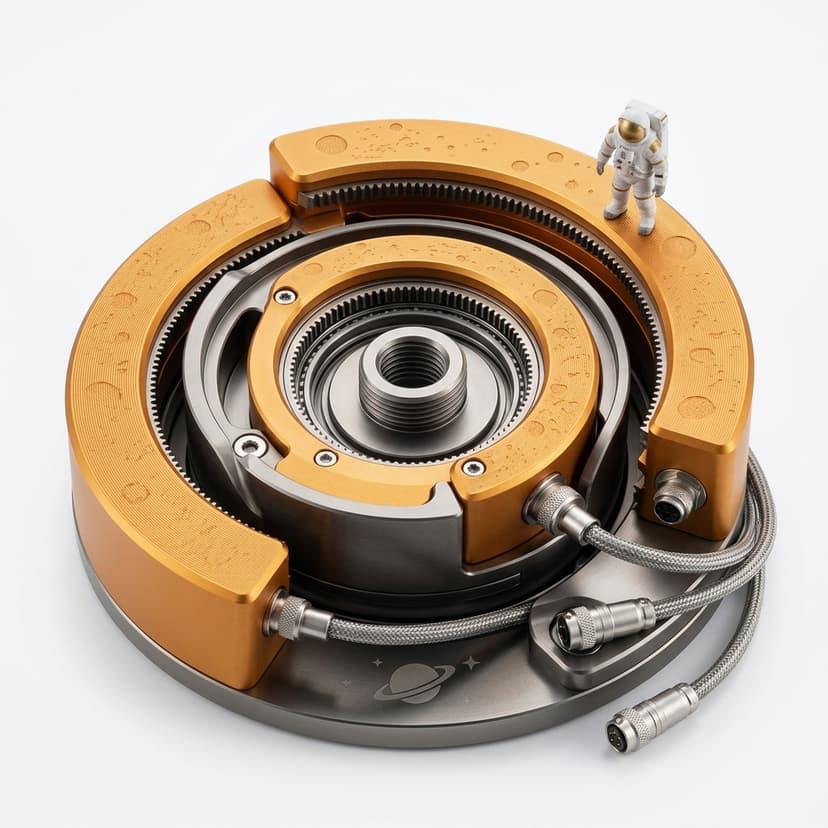
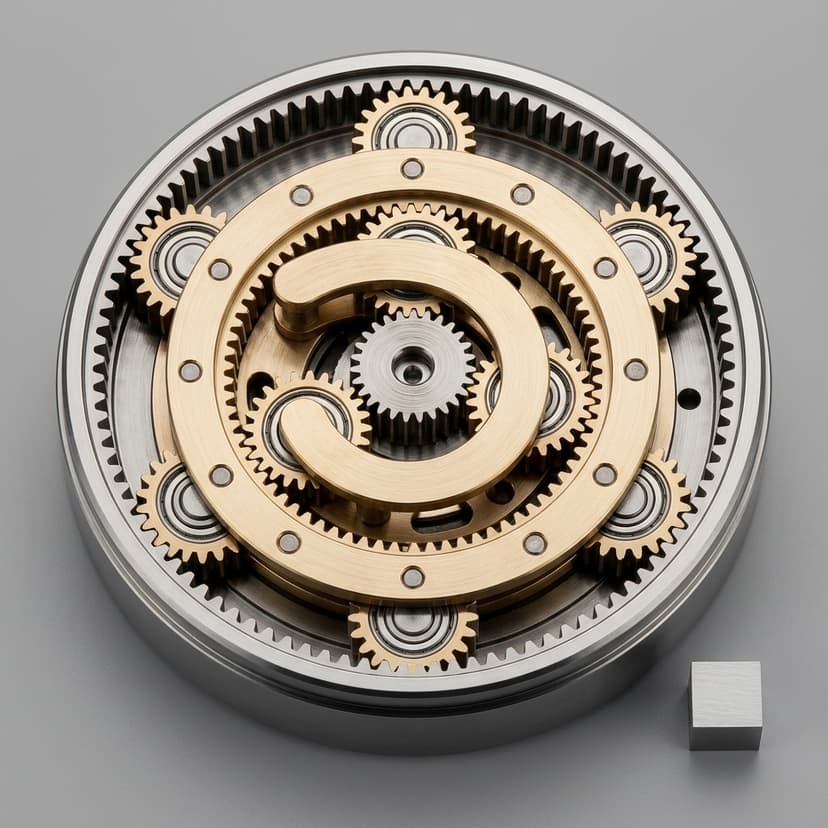
High torque-density actuators and frameless kits manufactured in-house for demanding robotic and industrial applications.
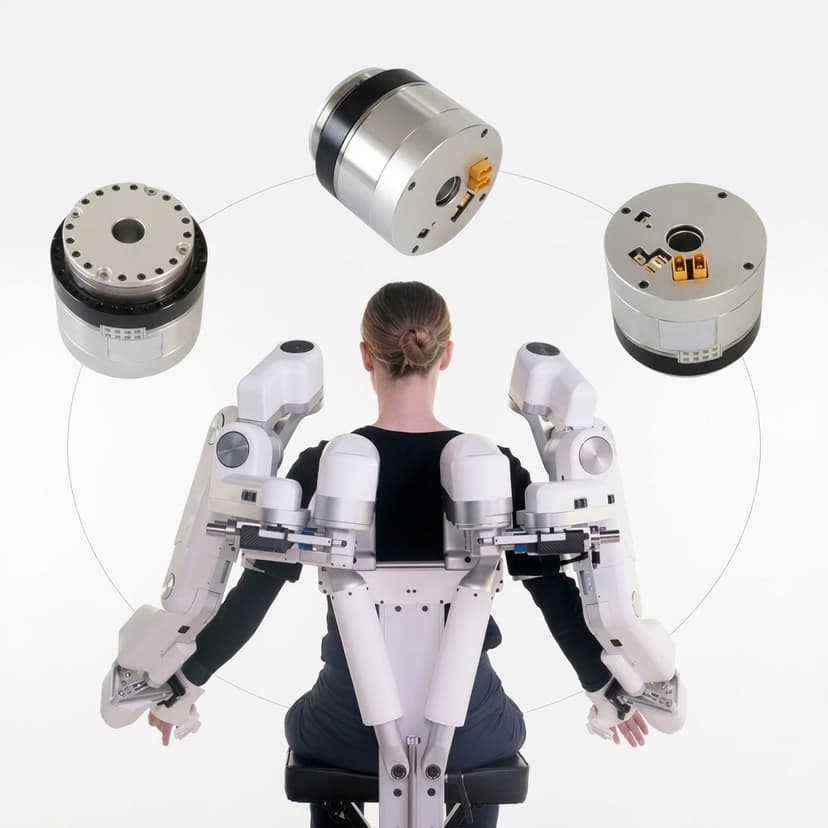
What Buyers Can Confirm Before the First Call
Screen selection data, customization boundaries, test records, and ramp planning before committing engineering time to a supplier.
Start with engineering samples to validate torque-speed duty, thermal rise, backlash, cable routing, and controller communication before larger batches.
Discuss winding, voltage, gear ratio, encoder, brake, driver interface, flange, shaft, hollow bore, and connector constraints with the sales engineering team.
Align incoming inspection, winding checks, insulation, no-load current, torque-speed verification, encoder calibration, backlash, NVH, and final inspection records.
Move from sample approval to pilot builds and repeat orders with revision control, CTQ records, export packaging checks, and shipment milestone planning.
Execution Snapshot
Quick evidence buyers can use when screening a QDD motor or robot joint motor supplier.
Program Control Path
Outgoing Inspection Evidence
Standard-Adaptation Sample Window
Before a robotics buyer sends drawings or books a supplier call, they need to know whether the product platform, customization scope, quality gates, and delivery path match their program risk.
QDD actuators, robot joint modules, hollow-shaft motors, torque-dense BLDC platforms, low-ratio reducers, and sealed motor options for robotics programs.
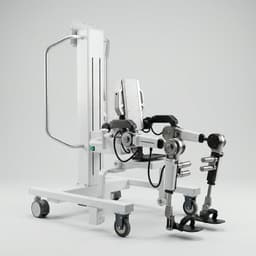
Engineering changes are scoped around your robot envelope and acceptance test, not around a generic catalog SKU.
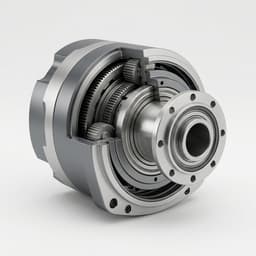
Production release is gated by measurable records so the sample that passes validation can be repeated in later batches.
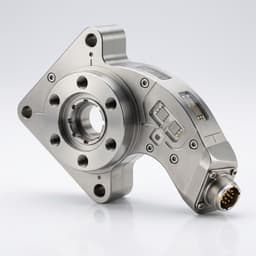
The commercial path is kept visible from first RFQ so engineering, sourcing, and finance can plan the same ramp.
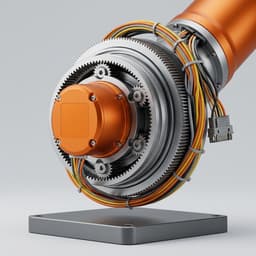
Your team gets practical integration review before tooling, not only a quotation after sending a drawing.
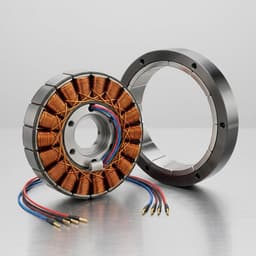
Match the motor platform to the robot form factor, validation burden, and supplier execution risk before sample spend.
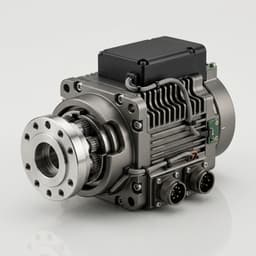
Step 1
Start from architecture fit, target operating window, and interface assumptions before entering RFQ.
Step 2
Confirm your architecture against application duty, thermal envelope, and integration constraints before sample planning.
Step 3
Review revision control, sample acceptance evidence, and delivery governance before commercial finalization.
This quick matrix helps cross-functional teams compare major options before opening a detailed RFQ thread.
| Family | Best Fit | Key Metric | Why It Matters |
|---|---|---|---|
 | Best for robotics engineers and R&D teams seeking high dynamic response. | Gear Ratio: 8:1, 10:1 (Customizable) | Balances speed reduction with back-drivability. |
 | Best for OEM robotics teams that need a validated joint module instead of sourcing motor, reducer, encoder, and driver separately. | Peak Torque: 20 Nm - 300 Nm class | Matches the actuator to hip, knee, ankle, shoulder, or elbow load cases without oversizing the full robot. |
 | Best for mechanical leads who need compact joints with clean cable routing, low stack height, and controlled bearing alignment. | Hollow Bore: Custom bore and cable pass-through options | Allows power, signal, air tube, or structural elements to pass through the joint centerline. |
 | Best for motor selection engineers who need a custom electromagnetic platform before selecting reducer, driver, and encoder architecture. | Torque Constant: Custom Kt by winding | Controls current demand, heat generation, and driver sizing for the target torque. |
 | Best for robotics buyers comparing harmonic drives, direct drive, and quasi-direct drive architectures by compliance, shock tolerance, and cost. | Gear Ratio: 6:1 - 12:1 typical, custom available | Keeps reflected inertia low enough for compliant force control and impact recovery. |
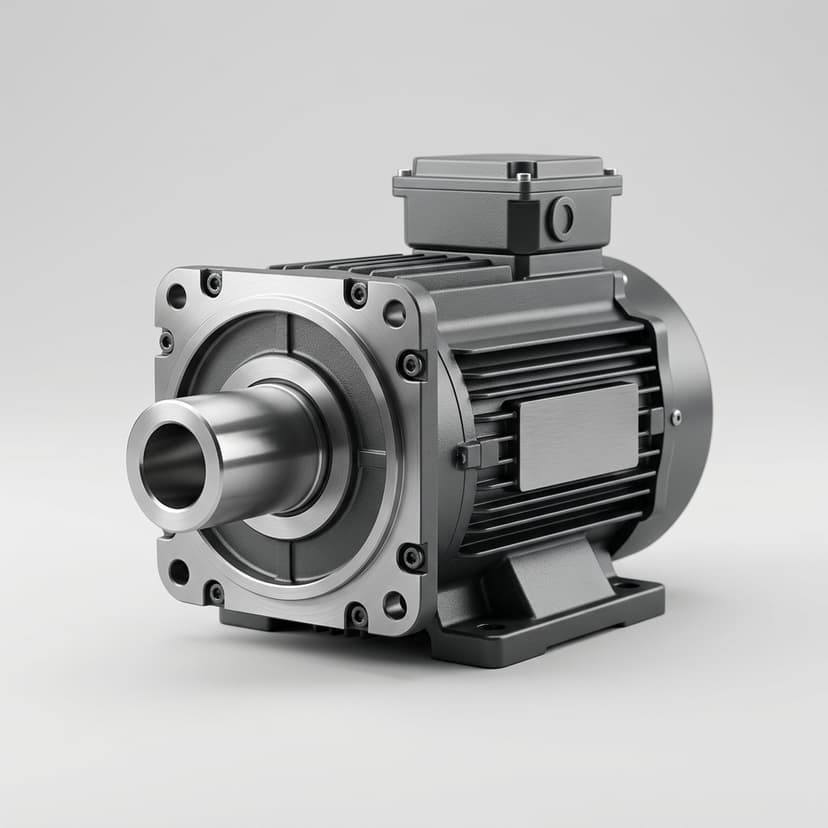
 | Best for industrial integrators and equipment manufacturers that need an AC motor matched to frame standard, mounting pattern, duty cycle, efficiency class, and export compliance. | Frame Standard: IEC B3/B5/B14 or NEMA 56C/143TC/145TC class | Frame and flange mismatch is the fastest way to create installation rework in pumps, conveyors, and OEM equipment. |
 | Best for food-tech integrators, sanitary equipment builders, and harsh-environment OEMs that need more than a painted motor in a wet process area. | Ingress Protection: IP69K | Protects the motor during high-pressure, high-temperature washdown and reduces line-stop risk from water ingress. |
QDD motor programs usually fail when sample validation, revision control, and production records are treated as separate conversations. Keep the handoff explicit from RFQ baseline to repeat batch planning.
Share torque-speed target, voltage, duty cycle, joint location, envelope, quantity forecast, and delivery location.
We check motor architecture, reducer ratio, encoder/driver interface, thermal risk, cable routing, and manufacturability.
Samples are built against agreed drawings and acceptance gates for torque, backlash, heat rise, NVH, and communication.
After revision lock, we align CTQ records, packaging, batch schedule, inspection reports, and repeat order governance.
Practical buyer-side checklists, decision frameworks, and technical insights from our factory engineering team.
ISO/TS 15066 compliance guide for QDD motors in cobots and humanoids: vet PFL specs, supplier data, actuator limits, and OEM procurement risks for OEMs.

A comprehensive engineering and procurement guide for sourcing IP67 waterproof Quasi-Direct Drive (QDD) actuators for outdoor humanoids and quadruped robots.
Compare 48V vs 96V QDD Motors for humanoid robots with thermal, cable, safety, supply-chain, and RFQ checks for global OEM teams.
FAQ
Share target torque, speed, voltage, duty cycle, package envelope, interface requirements, sample quantity, forecast, and delivery country. We will reply with practical engineering feedback and next-step quotation inputs.
Inquiry Email
Include target torque/speed, quantity, and delivery location.
Instant Chat
+86 188 5797 1991
Opens a direct WhatsApp thread with the RFQ message prefilled.
If your team is evaluating QDD motor or robot joint motor suppliers, start with a workflow that combines technical fit, validation criteria, and delivery planning in one track. This avoids the common failure mode where a torque number looks correct on paper but fails during thermal, backlash, or communication integration tests.
| Decision Stage | Best Page | What You Gain |
|---|---|---|
| Architecture fit | Products | Compare product families, integration options, and RFQ input requirements. |
| Application risk | Solutions / Applications | Review scenario-based risk controls and measurable validation checkpoints. |
| Reference research | Engineering Blog | Review buyer-side checklists, sourcing methods, and design notes before freezing specs. |
| Engineering tools | Encoder Selection Tool | Calculate bit resolution and choose the right absolute encoder for your joint motor. |
| Commercial baseline | About | Understand team profile, process capability, and cooperation model before shortlisting a supplier. |
| Supplier execution | OEM Capabilities | Understand DFM, prototype control, quality records, and export delivery governance. |
| Execution start | Contact / RFQ | Use the inquiry checklist to reduce quote loops and get a faster actionable response. |
For deeper decision support, review our engineering blog where each post includes practical buyer-side checklists.