
QDD Motor vs BLDC Motor: Which is Best for Robot Joints?
A deep dive into the differences between Quasi-Direct Drive (QDD) actuators and traditional Brushless DC (BLDC) motors for robotics applications.
Actuator selection determines a robot's dynamic capabilities. Traditionally, engineers relied on Brushless DC (BLDC) motors paired with high-ratio harmonic gearboxes. Now, legged robotics are driving the adoption of Quasi-Direct Drive (QDD) actuators.
This technical guide analyzes the mechanical and electromagnetic differences between high-ratio BLDC setups and QDD motors to help you specify the correct joint actuator.
What is a BLDC Motor Setup?
A traditional BLDC motor setup for a robot joint typically consists of a high-speed, low-torque brushless motor paired with a high-ratio reduction gear (often 100:1 or greater).
Advantages:
- High Torque Density: The high gear ratio allows a very small motor to output massive torque, ideal for lifting heavy payloads in industrial robotic arms.
- Compact Size: Harmonic drives allow for very compact, high-torque joints.
- Precision: High gear ratios provide excellent positioning resolution.
Disadvantages:
- High Inertia and Friction: The high gear ratio introduces significant friction and reflected inertia. This makes the joint "stiff" and difficult to backdrive.
- Poor Force Transparency: It is difficult to accurately measure the force applied to the environment without adding expensive 6-axis force-torque sensors.
- Vulnerability to Impact: Legged robots experience severe impact forces when walking or running. High-ratio gearboxes can easily strip or break upon impact.
The Physics Problem: Reflected Inertia
The fundamental issue with high-ratio gearboxes is reflected inertia, which scales with the square of the gear ratio (N²). If you use a 100:1 harmonic drive, the inertia the environment feels when pushing against the robot joint is 10,000 times the inertia of the motor rotor itself. This makes the joint incredibly stiff and mechanically opaque, completely prohibiting natural shock absorption.
What is a Quasi-Direct Drive (QDD) Motor?
A Quasi-Direct Drive (QDD) motor, also known as a proprioceptive actuator, consists of a high-torque, large-diameter frameless BLDC motor (often an outrunner or high-pole-count inrunner) paired with a low-ratio gearbox (typically between 6:1 and 10:1), usually a planetary gearset.
Advantages:
- High Backdrivability: The low gear ratio means the motor has very low friction and reflected inertia. The joint can be easily backdriven, allowing the robot to absorb impact forces like a human or animal leg.
- Proprioception (Force Transparency): Because friction is low, the torque applied to the environment can be accurately estimated simply by measuring the motor's electrical current. This eliminates the need for fragile and expensive force sensors.
- High Bandwidth: QDD motors can change torque direction extremely fast, making them perfect for the highly dynamic movements required in jumping, running, and balancing.
- Impact Resistance: The ability to backdrive allows the motor to naturally absorb shock, protecting the mechanical components from damage during a fall or sudden impact.
Disadvantages:
- Lower Continuous Torque: Compared to a 100:1 harmonic drive setup of the same weight, a QDD motor will have lower continuous torque and may generate more heat under heavy, sustained static loads.
- Larger Diameter: To generate sufficient torque before the low-ratio gear reduction, the motor itself must be physically larger in diameter (pancake style).
Which Should You Choose?
Choose a Traditional BLDC + High-Ratio Gearbox if:
- You are building an industrial robotic arm (Cobot or 6-axis arm).
- Your primary requirement is lifting heavy payloads with high precision.
- The robot moves relatively slowly and does not need to handle unexpected impacts or dynamic balancing.
- Space constraints require a very small motor diameter.
Choose a QDD Motor if:
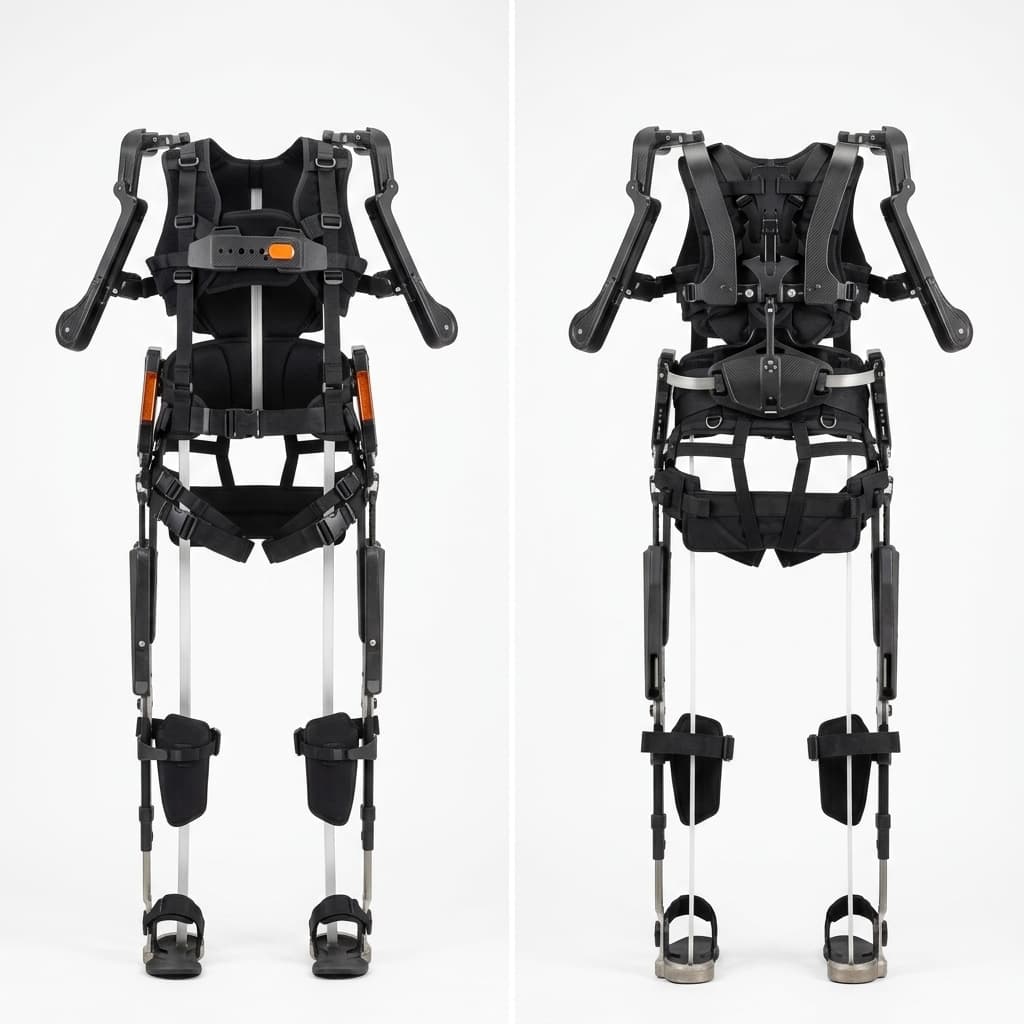
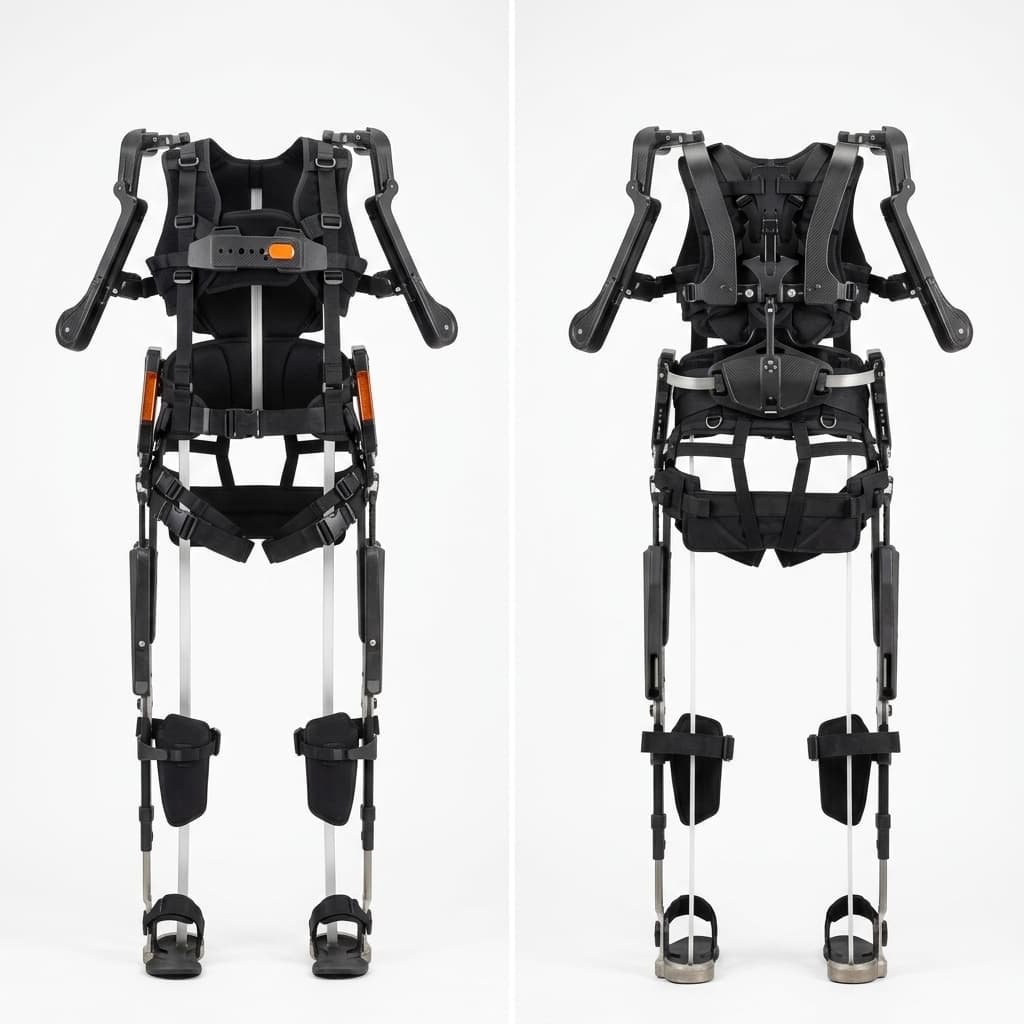
- You are building a quadruped robot dog, humanoid robot, or exoskeleton.
- The robot needs to walk, run, jump, or interact safely with humans in a dynamic environment.
- You need high impact resistance and the ability to absorb shock.
- You require force control and proprioception without adding external force-torque sensors.
Quick Comparison Table
| Feature | BLDC + High-Ratio Gearbox (e.g., Harmonic) | Quasi-Direct Drive (QDD) |
|---|---|---|
| Peak Torque Density | Extremely High | Moderate to High |
| Backdrivability | Very Poor (High friction) | Excellent (Transparent) |
| Impact Resistance | Low (Gears can strip) | High (Motor acts as a spring) |
| Bandwidth (Dynamic Response) | Slower | Extremely Fast |
| Ideal Application | 6-Axis Cobots, CNC machines | Humanoids, Exoskeletons, Quadrupeds |
Sourcing and Customization
QDD Motors is an OEM manufacturer of both high-performance BLDC stators and Quasi-Direct Drive actuators. If your project requires custom winding parameters, specific hollow-bore dimensions, or integrated planetary gears, our team can supply the exact components needed.
(Building a wearable robot? Read our dedicated Exoskeleton Motor Design Guide.)
Engineering FAQ
Q: Can a QDD motor hold a static position without overheating? A: Yes, but it requires a very high Motor Constant (Km) and excellent thermal dissipation, as the low gear ratio forces the motor to draw higher continuous current than a harmonic drive setup.
Q: Why do QDD motors use planetary gears instead of harmonic drives? A: Planetary gearboxes (typically 6:1 to 10:1) offer much lower friction, high impact resistance, and allow for backdrivability, whereas harmonic drives (100:1) lock up and are vulnerable to shock loads.
Contact our engineering team to submit your robot's torque and speed requirements for a custom quotation.
Author

Categories
More Posts
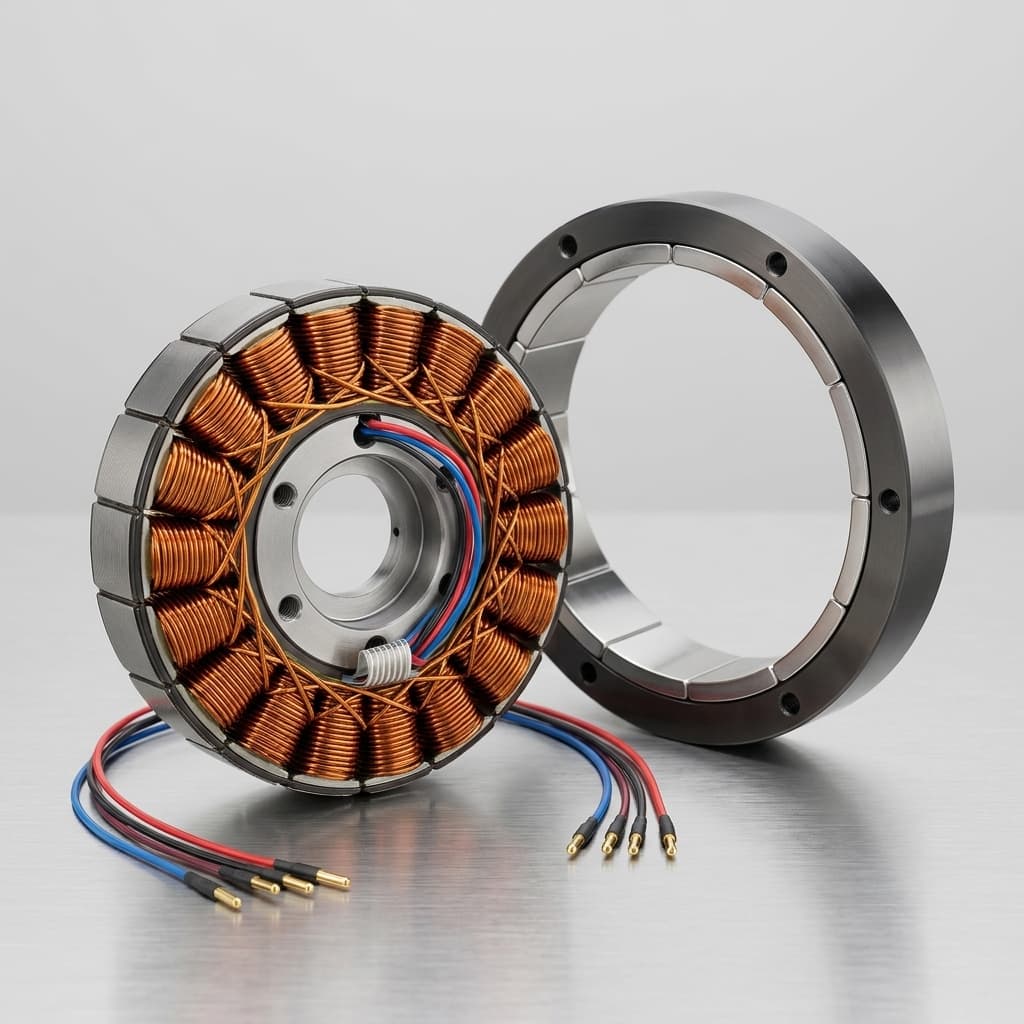
Frameless Torque Motors: The Ultimate Guide for CNC and Automation Integration
Learn how frameless torque motors (stator and rotor sets) are integrated into high-precision CNC machines, robotic joints, and custom automation equipment.
The Hidden Costs of Frameless Motor Integration: A TCO Model for Procurement
Use this frameless motor TCO model to compare kit price, housing, thermal design, QA, and lifecycle risk before issuing a robotics or OEM RFQ.
ISO/TS 15066 Compliance for QDD Motors: Navigating Collaborative Robot Safety Standards in Procurement
ISO/TS 15066 compliance guide for QDD motors in cobots and humanoids: vet PFL specs, supplier data, actuator limits, and OEM procurement risks for OEMs.